



Wood carving "Christ by the Pillar"
This sculpture is likely a wood-carved version of the "Christ by the Pillar", also often referred to as the "Son of Worry" or "Christ on Cold Stone". This sculpture depicts Jesus tied to a pillar (or sitting on a stone) after being whipped and before being crucified. He usually wore a crown of thorns and had his hands tied before him, with an expression of pain or contemplation, awaiting execution. This is a devotional theme common in Christian art, which aims to elicit strong empathy and emotional resonance from the viewer by depicting the physical pain and vulnerability of Christ.
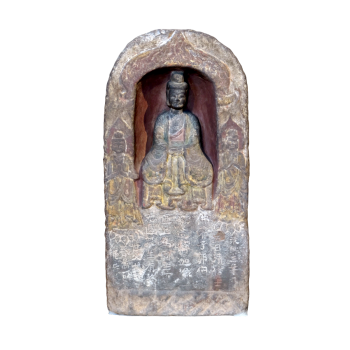
Ancient Chinese Buddhist Statues
This is an ancient Chinese Buddhist statue, carved from sandstone or other stone, with obvious signs of age and weathered. According to its carving style, the character's clothing (especially the way the folds are depicted) and the layout of the inscriptions, this statue tablet was probably made from the late Northern Dynasty to the Sui Dynasty (about the 6th century AD). The stele is arched with a shrine carved above it. In the center of the niche is a legged Buddha (probably Sakyamuni Buddha or Maitreya Buddha), and on each side is a threatening bodhisattva or disciple statue.

Bronze Head of Holy Bishop
The sculpture depicts characters wearing hats similar to the episcopal crowns worn by senior Catholic clergy (e. g., bishops, cardinals, popes) in formal liturgy.

Painted wood bust of St. Gereon
St. Gereon was an officer in the Legion of Thebes who refused to carry out orders to persecute Christians and was said to have been beheaded and martyred in Cologne. This wood bust of the guardian saint of Cologne was probably made by Hermann Kessel around 1683/88 and is now hidden in the Catholic parish church of St. Gillian in Cologne (originally the college church).
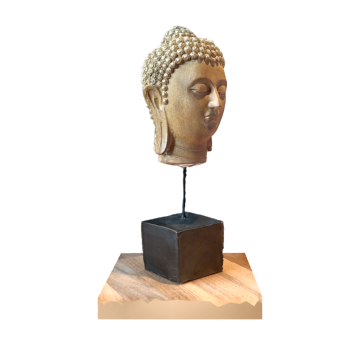
Buddha head ornaments
This is a Buddha's head ornament, commonly used in home decoration, designed to create a peaceful, Zen atmosphere. The sculpture depicts the head of Shakyamuni Buddha. It is characterized by slightly drooping eyes, a calm expression, elongated earlobes (symbolizing the abandonment of worldly wealth) and a spiral bun on the top of the head. It is installed on a simple black base with a natural wood grain square bottom under the base. The overall design combines classical Buddhist elements and modern minimalist style.

Wood Carving of Buddha Head
This is a statue of the Buddha's head, depicting the head of Buddha Sakyamuni, the founder of Buddhism, with a meditative look, closed eyes, a bun on the top of the head (called "Ushnisha", symbolizing wisdom) and a spiral bun (called "snail hair"). The statue presents a wood-like carved texture and brown tone distressed effect, with a strong Zen or Southeast Asian Balinese style, designed to create a peaceful and peaceful atmosphere.
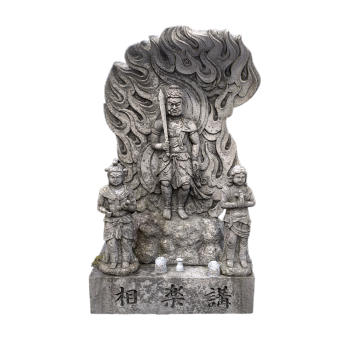
Japanese Immovable Stone Statues of King Ming
This is a Japanese stone statue of the immovable King of the Ming Dynasty, also known as Azhero, an important protector of the Dharma in Buddhism. The immovable Ming king is the head of the five Ming kings of the tantric sect and the angry embodiment of the great sun Tathagata. The flame in the background of the statue symbolizes the fire of wisdom that can purify all evils and obstacles. The Lord in the middle holds a sword of wisdom on the right, symbolizing the cutting off of troubles and indiscerning; on the left, he holds a silk rope, which is used to bind enemies or prevent believers from straying from the right path. The Japanese character "Sashansho" on the base may refer to the specific Buddhist group or organization that enshrines this stone statue.
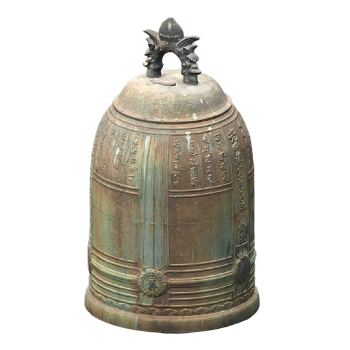
Ancient Bronze Van Bell (Buddhist Temple Bell)
This is a well-preserved ancient bronze Brahma bell (Buddhist temple bell) with important religious and historical value. The inscription on it is key information for studying the age and background of its casting. This large bronze bell with inscriptions of Buddhist scriptures is very common in East Asian Buddhist cultural circles such as China, Japan and South Korea.

Buddha
The image of Buddha. Generalized including Bodhisattva, Rohan, Ming Wang, and so on. Although there are two kinds of statues, sculptures and portraits (pictorial), only sculptures are called Buddha statues, while portraits are called images. In ancient India, it was believed that carving Buddha statues was a blasphemy, so ancient carvings such as Shanqi (Sanskrit ^ nchi ^) only symbolized Buddha with the marks of Buddhism, Bodhi tree, Buddha's footprints, etc. Later, with the rise of Mahayana Buddhism, the sculpture of Buddha began to prevail, so there are many records about the cause of the statue and its merits in the Mahayana classics.

Sleeping Buddha (3D printing)

Golden Reclining Buddha
A reclining Buddha looted from a Burmese temple by the British Duke of Cornwall's Light Infantry. It is not clear from which temple the statue was taken. This Buddha statue is displayed in a British museum and is remarkable for its huge size and golden color.
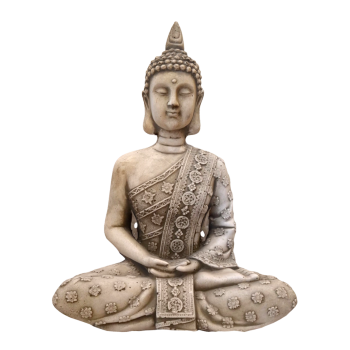
Religious Statue of Butuo, Thailand

Popular Models
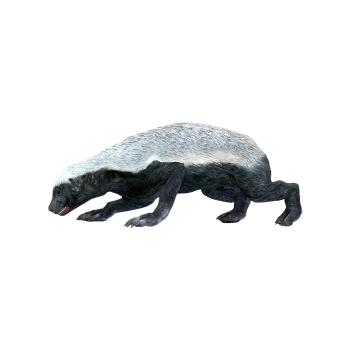
Honey Badger (3D animated model)
196 View
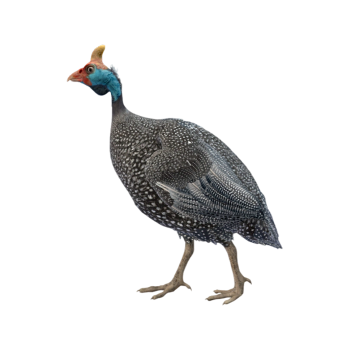
Guinea fowl (3D animated model)
165 View
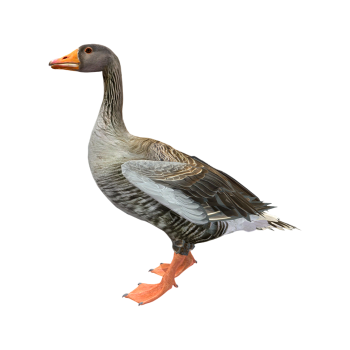
Wild Goose (3D animated model)
187 View
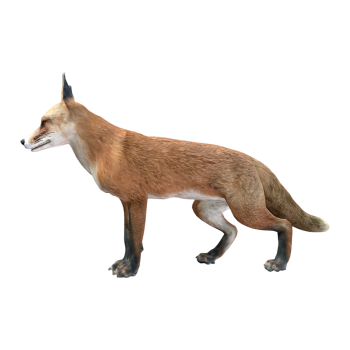
Red Fox (3D animated model)
155 View
Random Model


Mobile anti-aircraft gun
993 View


Green Turtle 3D Model Animation
814 View

Lianglong skeleton
1106 View


Portable stainless steel kettle
840 View


Frosty air conditioner
734 View
